ROCKET LAB

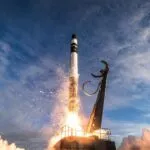
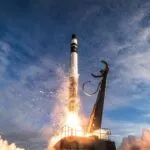
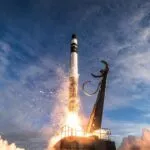
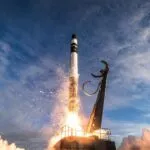
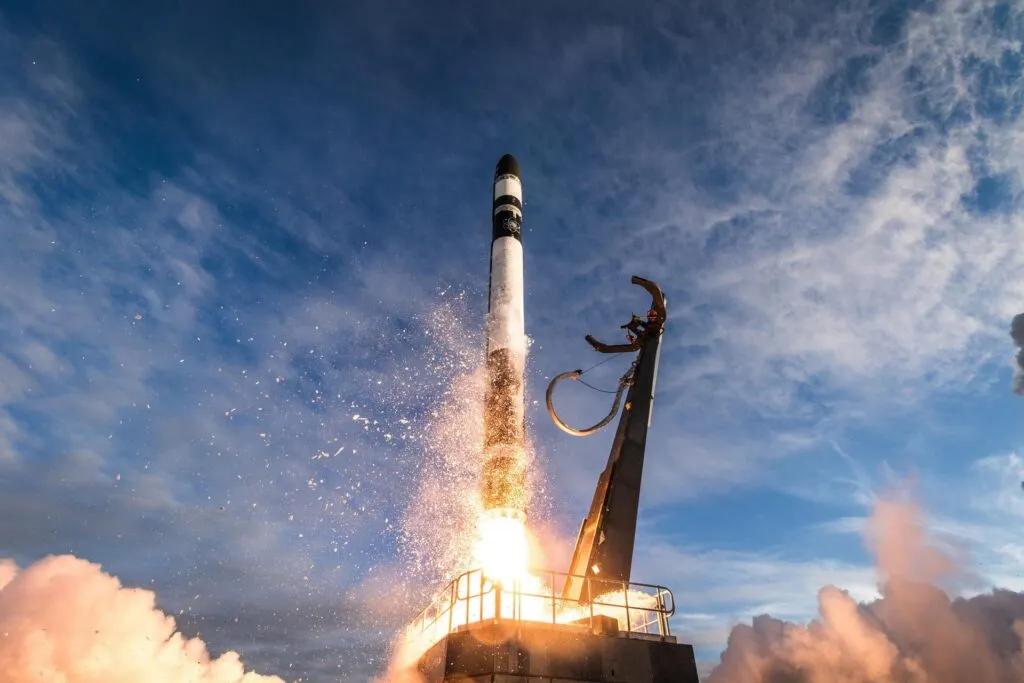
Electron | Happily Ever Faster (BlackSky Gen-3 5)

SUCCESS Electron →
Sep 11, 2026 at 03:28 UTC
Low Earth Orbit Earth Science Rocket Lab Launch Complex 1, Mahia Peninsula, New Zealand 96% success
Initializing Launch Globe…
Live Orbit
Fullscreen
Mission Control3D trajectory · Live telemetry · AI narrator · Booster tracking
PADRocket Lab Launch Complex 1A
SITERocket Lab Launch Complex 1, Mahia Peninsula, New Zealand →
ORBITLow Earth Orbit
TYPEEarth Science

Note: Payload and customer identities were not publicly announced.

5th of the BlackSky Gen-3 high resolution Earth-imaging satellites.

VEHICLE
Electron
MISSION
Happily Ever Faster (BlackSky Gen-3 5)
MISSION TYPE
Earth Science
TARGET ORBIT
Low Earth Orbit
COUNTRY
USA
CONFIRMEDPrecision: Half-year
LAUNCH LIBRARY 2 PRIMARY
API ID: b81156da-c0b8-46c8-aebd-8af8d2be83cd
Reported date: Sep 11, 2026 at 03:28 UTC
Last synced: 6 minutes ago
This launch date and time are confirmed by the launch provider. Countdown is active.
SCHEDULE & STATUS HISTORY
STATUS CHANGESep 11, 2026 at 05:08 UTC
TBDSUCCESS
Source: Launch Library 2
MOVED UP(18.9 days)
Sep 11, 2026 at 05:08 UTC
Sep 30, 2026 00:00Sep 11, 2026 03:28 UTC
Source: Launch Library 2
Loading weather…
Select a location to check if this launch is visible from where you are
MANUFACTURER
Rocket Lab
FLIGHTS
95
SUCCESSES
91
SUCCESS RATE
95.8%

Electron is a two-stage orbital expendable launch vehicle (with an optional third stage) developed by the American aerospace company Rocket Lab. Electron is a small-lift launch vehicle designed to launch small satellites and cubesats to sun-synchronous orbit and low earth orbit. The Electron is the first orbital class rocket to use electric-pump-fed engines, powered by the 9 Rutherford engines on the first stage. It is also used as a suborbital testbed (called HASTE) for hypersonics research.

When is the Electron | Happily Ever Faster (BlackSky Gen-3 5) launch?
The Electron | Happily Ever Faster (BlackSky Gen-3 5) is scheduled for Friday, September 11, 2026 at 3:28 AM UTC. This is the NET (No Earlier Than) time and may be subject to change. Current status: SUCCESS.
What rocket is being used for Happily Ever Faster (BlackSky Gen-3 5)?
The Electron | Happily Ever Faster (BlackSky Gen-3 5) mission uses the Electron rocket, manufactured by Rocket Lab. The Electron has flown 95 times with a 95.8% success rate.
Where is the Electron | Happily Ever Faster (BlackSky Gen-3 5) launching from?
The launch takes place from Rocket Lab Launch Complex 1A at Rocket Lab Launch Complex 1, Mahia Peninsula, New Zealand.
What orbit is Happily Ever Faster (BlackSky Gen-3 5) going to?
The Happily Ever Faster (BlackSky Gen-3 5) mission is targeting Low Earth Orbit.
Who is launching Happily Ever Faster (BlackSky Gen-3 5)?
The Electron | Happily Ever Faster (BlackSky Gen-3 5) is operated by Rocket Lab.
Can I watch the Electron | Happily Ever Faster (BlackSky Gen-3 5) launch live?
Yes. Visit the launch detail page on Space Launch Live for embedded YouTube webcasts, replay videos, and links to live coverage from SpaceX, NASA, NASASpaceflight, and other channels.
Sep 11, 2026 05:28 UTC
Launch completed successfully
Updated via Launch Library 2
Sep 11, 2026 05:08 UTC
Launch moved up by 18.9 days
Sep 30, 2026 00:00 UTC u2192 Sep 11, 2026 03:28 UTC (via Launch Library 2)
Sep 11, 2026 05:08 UTC
Status changed: TBD u2192 SUCCESS
Launch completed successfully (via Launch Library 2)
Aug 6, 2026 15:08 UTC
Launch added to tracker
Imported from Launch Library 2 API
Aug 6, 2026 15:08 UTC
Launch date set: Sep 11, 2026 at 03:28 UTC
NET (No Earlier Than) confirmed by Rocket Lab
Last data sync: 6 minutes ago
Launch Library 26 minutes ago
Launch ID: b81156da-c0b8-46c8-aebd-8af8d2be83cd
Open-Meteo Weather4 days ago
Pad weather at -39.26, 177.86

Mission Profile

Happily Ever Faster (BlackSky Gen-3 5) was a Electron mission operated by Rocket Lab that lifted off from Rocket Lab Launch Complex 1A, Rocket Lab Launch Complex 1, Mahia Peninsula, New Zealand on September 11, 2026. The flight carried its payload on a earth science mission to Low Earth Orbit. The launch was a success.