RUSSIAN SPACE FORCES

Soyuz 2.1b/Fregat | Glonass-K1 No. 19

TBD Soyuz 2.1b/Fregat →
Jul 31, 2026 at 00:00 UTC
Medium Earth Orbit Navigation Plesetsk Cosmodrome, Russian Federation 92% success
Initializing Launch Globe…
Live Orbit
Fullscreen
Mission Control3D trajectory · Live telemetry · AI narrator · Booster tracking
PADUnknown Pad
SITEPlesetsk Cosmodrome, Russian Federation →
ORBITMedium Earth Orbit
TYPENavigation

Glonass-K are the third generation of satellite design for GLONASS satellite navigation system. GLONASS is a Russian space-based navigation system comparable to the similar GPS and Galileo systems. This generation improves on accuracy, power consumption and design life. Each satellite is unpressurized and weighs 935 kg, and has an operational lifetime of 10 years.

MISSION
Glonass-K1 No. 19
MISSION TYPE
Navigation
TARGET ORBIT
Medium Earth Orbit
LAUNCH PAD
Unknown Pad
COUNTRY
RUS
TENTATIVEPrecision: Half-year
LAUNCH LIBRARY 2 PRIMARY
API ID: 458e2e52-87b0-4707-96d8-6899f92e53ee
Reported date: Jul 31, 2026 at 00:00 UTC
Last synced: 6 minutes ago
This launch date is approximate. The provider has not confirmed an exact date or time yet. The schedule may change.
Loading weather…
Select a location to check if this launch is visible from where you are
MANUFACTURER
Progress Rocket Space Center
VARIANT
Fregat
FLIGHTS
25
SUCCESSES
23
SUCCESS RATE
92%

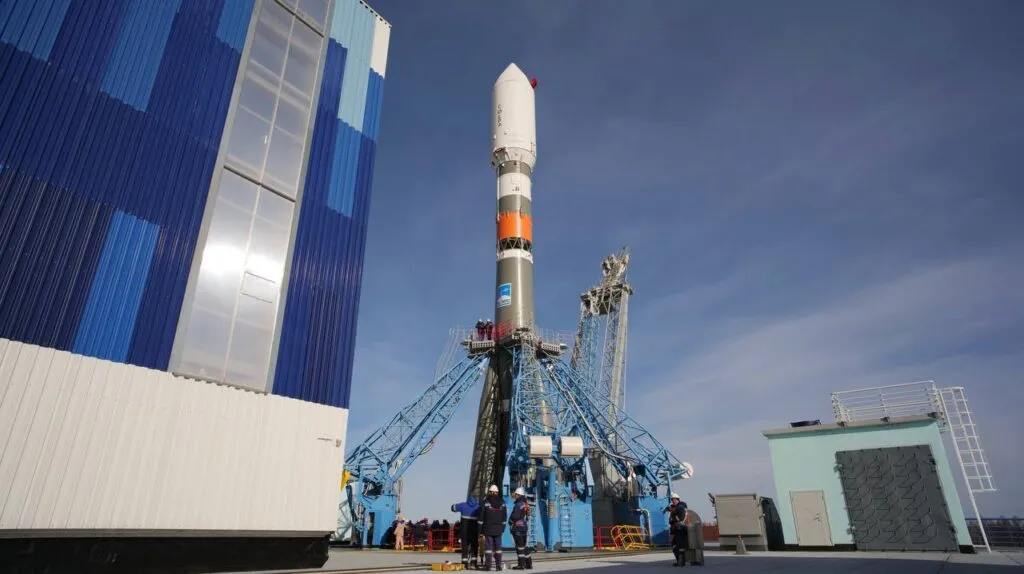
Soyuz-2, GRAU index 14A14, is the collective designation for the 21st-century version of the Russian Soyuz rocket. In its basic form, it is a three-stage carrier rocket for placing payloads into low Earth orbit. The first-stage boosters and two core stages feature uprated engines with improved injection systems, compared to the previous versions of the Soyuz. Digital flight control and telemetry systems allow the rocket to be launched from a fixed launch platform, whereas the launch platforms for earlier Soyuz rockets had to be rotated as the rocket could not perform a roll to change its heading in flight. The Soyuz 2.1b represents the latest development stage of the proven rocket. It uses the new RD-0124 engines in the first three stages, coupled with an improved injection system that significantly boosts the performance of the Soyuz. Furthermore, she wears a new, digital startup control system. This will allow the Soyuz 2.1b to carry around 1.2 tonnes more payload into low earth orbit compared to its predecessor.

When is the Soyuz 2.1b/Fregat | Glonass-K1 No. 19 launch?
The Soyuz 2.1b/Fregat | Glonass-K1 No. 19 is scheduled for Friday, July 31, 2026 at 12:00 AM UTC. This is the NET (No Earlier Than) time and may be subject to change. Current status: TBD.
What rocket is being used for Glonass-K1 No. 19?
The Soyuz 2.1b/Fregat | Glonass-K1 No. 19 mission uses the Soyuz 2.1b/Fregat rocket, manufactured by Progress Rocket Space Center. The Soyuz 2.1b/Fregat has flown 25 times with a 92% success rate.
Where is the Soyuz 2.1b/Fregat | Glonass-K1 No. 19 launching from?
The launch takes place from Unknown Pad at Plesetsk Cosmodrome, Russian Federation.
What orbit is Glonass-K1 No. 19 going to?
The Glonass-K1 No. 19 mission is targeting Medium Earth Orbit.
Who is launching Glonass-K1 No. 19?
The Soyuz 2.1b/Fregat | Glonass-K1 No. 19 is operated by Russian Space Forces.
Can I watch the Soyuz 2.1b/Fregat | Glonass-K1 No. 19 launch live?
Yes. Visit the launch detail page on Space Launch Live for embedded YouTube webcasts, replay videos, and links to live coverage from SpaceX, NASA, NASASpaceflight, and other channels.
Jul 16, 2026 14:08 UTC
Launch added to tracker
Imported from Launch Library 2 API
Jul 16, 2026 14:08 UTC
Launch date set: Jul 31, 2026 at 00:00 UTC
NET (No Earlier Than) confirmed by Russian Space Forces
Last data sync: 6 minutes ago
Launch Library 26 minutes ago
Launch ID: 458e2e52-87b0-4707-96d8-6899f92e53ee
Spaceflight News API5 minutes ago
1 article matched
Open-Meteo Weather2 days ago
Pad weather at 62.93, 40.58

Mission Profile

Glonass-K1 No. 19 is a Soyuz 2.1b/Fregat mission operated by Russian Space Forces set to lift off from Unknown Pad, Plesetsk Cosmodrome, Russian Federation on July 31, 2026. The flight is tasked with delivering its payload on a navigation mission to Medium Earth Orbit.