

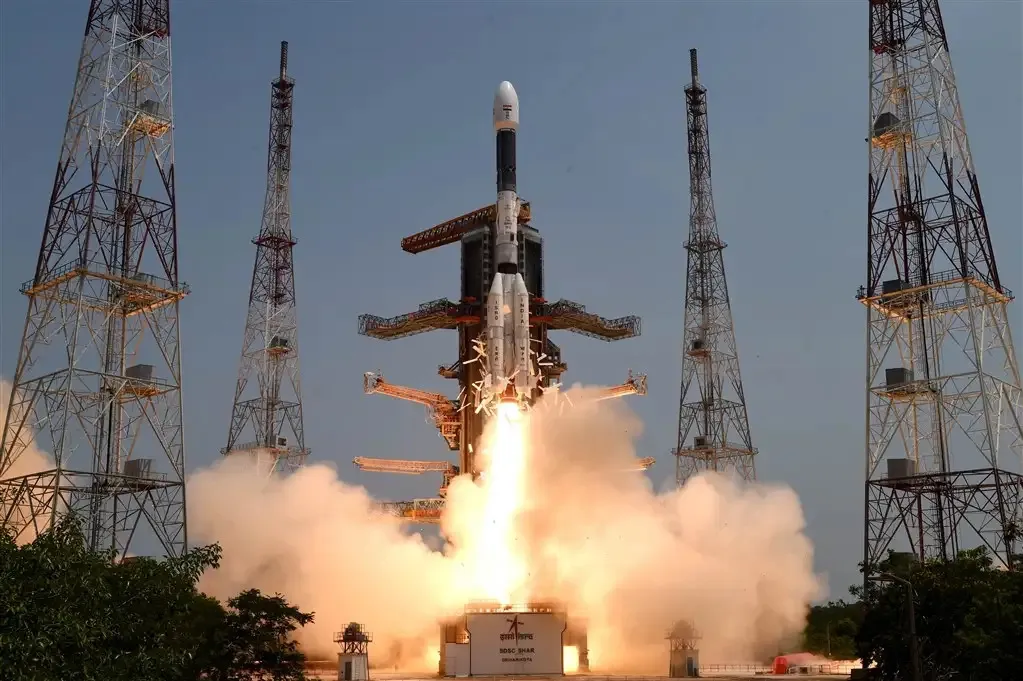
GSLV Mk II | IRNSS-1K (NVS-02)
This is a replacement satellite for the Indian Regional Navigation Satellite System. The constellation will provide India with an alternative to GPS and will be used for military and civilian use. Located at a geosynchronous orbit, the system will be operated by the Indian government.
Geosynchronous Satellite Launch Vehicle Mark II (GSLV Mk II) is the largest launch vehicle developed by India, which is currently in operation. This fourth generation launch vehicle is a three stage vehicle with four liquid strap-ons. The indigenously developed cryogenic Upper Stage (CUS), which is flight proven, forms the third stage of GSLV Mk II. From January 2014, the vehicle has achieved four consecutive successes.
When is the GSLV Mk II | IRNSS-1K (NVS-02) launch?
What rocket is being used for IRNSS-1K (NVS-02)?
Where is the GSLV Mk II | IRNSS-1K (NVS-02) launching from?
What orbit is IRNSS-1K (NVS-02) going to?
Who is launching IRNSS-1K (NVS-02)?
Can I watch the GSLV Mk II | IRNSS-1K (NVS-02) launch live?

Mission Profile
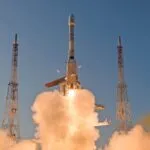
IRNSS-1K (NVS-02) was a GSLV Mk II mission operated by Indian Space Research Organization that lifted off from Satish Dhawan Space Centre Second Launch Pad, Satish Dhawan Space Centre, India on January 29, 2025. The flight carried its payload on a navigation mission to Geostationary Transfer Orbit. The launch was a success.
The GSLV-F15 vehicle performed nominally on 29 January 2025 and injected NVS-02 (IRNSS-1K) into its intended geosynchronous transfer orbit. However, the subsequent orbit-raising to geosynchronous orbit failed because the valves admitting oxidiser to fire the satellite’s engine did not open, leaving the spacecraft stranded in transfer orbit.
Following NVS-02’s failure, IRNSS-1E remains at the 111.75°E slot rather than being replaced. As of March 2026, only three satellites (IRNSS-1B, IRNSS-1I and NVS-01) were capable of providing navigation service, due in part to NVS-02’s failure to reach its intended orbit.