INDIAN SPACE RESEARCH ORGANIZATION

GSLV Mk II | IRNSS-1L (NVS-03)

SUCCESS GSLV Mk II →
—
—
Oct 30, 2026 at 18:21 UTC
Geostationary Transfer Orbit Navigation Satish Dhawan Space Centre, India 86% success
Initializing Launch Globe…
Live Orbit
⏺Fullscreen
▶ REPLAY
Source
Mission Control3D trajectory · Live telemetry · AI narrator · Booster tracking
PADSatish Dhawan Space Centre Second Launch Pad
SITESatish Dhawan Space Centre, India →
ORBITGeostationary Transfer Orbit
TYPENavigation

This is a replacement satellite for the Indian Regional Navigation Satellite System. The constellation will provide India with an alternative to GPS and will be used for military and civilian use. Located at a geosynchronous orbit, the system will be operated by the Indian government.

VEHICLE
GSLV Mk II
MISSION
IRNSS-1L (NVS-03)
MISSION TYPE
Navigation
TARGET ORBIT
Geostationary Transfer Orbit
COUNTRY
IND
CONFIRMEDPrecision: Minute
LAUNCH LIBRARY 2 PRIMARY
API ID: 20d5676e-111b-40e3-8923-b218c3665ca2
Reported date: Oct 30, 2026 at 18:21 UTC
Last synced: 1 hour ago
This launch date and time are confirmed by the launch provider. Countdown is active.
SCHEDULE & STATUS HISTORY
STATUS CHANGEOct 30, 2026 at 21:28 UTC
IN FLIGHT → SUCCESS
Source: Launch Library 2
STATUS CHANGEOct 30, 2026 at 18:23 UTC
GO → IN FLIGHT
Source: Launch Library 2
STATUS CHANGEOct 26, 2026 at 12:08 UTC
TBC → GO
Source: Launch Library 2
DELAYED(1.4 hrs)
Oct 26, 2026 at 12:08 UTC
Oct 30, 2026 17:00 → Oct 30, 2026 18:21 UTC
Source: Launch Library 2
STATUS CHANGEOct 23, 2026 at 08:10 UTC
TBD → TBC
Source: Launch Library 2
DELAYED(17 hrs)
Oct 23, 2026 at 08:10 UTC
Oct 30, 2026 00:00 → Oct 30, 2026 17:00 UTC
Source: Launch Library 2
MOVED UP(24 hrs)
Oct 22, 2026 at 16:48 UTC
Oct 31, 2026 00:00 → Oct 30, 2026 00:00 UTC
Source: Launch Library 2
STATUS CHANGEOct 1, 2026 at 21:38 UTC
TBC → TBD
Source: Launch Library 2
+ 5 earlier changes
Loading weather…
Select a location to check if this launch is visible from where you are
NavIC
Navigation
ISROOPERATOR
GEOORBIT
10TOTAL LAUNCHES
MANUFACTURER
Indian Space Research Organization
FLIGHTS
14
SUCCESSES
12
SUCCESS RATE
85.7%

Geosynchronous Satellite Launch Vehicle Mark II (GSLV Mk II) is the largest launch vehicle developed by India, which is currently in operation. This fourth generation launch vehicle is a three stage vehicle with four liquid strap-ons. The indigenously developed cryogenic Upper Stage (CUS), which is flight proven, forms the third stage of GSLV Mk II. From January 2014, the vehicle has achieved four consecutive successes.

When is the GSLV Mk II | IRNSS-1L (NVS-03) launch?
The GSLV Mk II | IRNSS-1L (NVS-03) is scheduled for Friday, October 30, 2026 at 6:21 PM UTC. This is the NET (No Earlier Than) time and may be subject to change. Current status: SUCCESS.
What rocket is being used for IRNSS-1L (NVS-03)?
The GSLV Mk II | IRNSS-1L (NVS-03) mission uses the GSLV Mk II rocket, manufactured by Indian Space Research Organization. The GSLV Mk II has flown 14 times with a 85.7% success rate.
Where is the GSLV Mk II | IRNSS-1L (NVS-03) launching from?
The launch takes place from Satish Dhawan Space Centre Second Launch Pad at Satish Dhawan Space Centre, India.
What orbit is IRNSS-1L (NVS-03) going to?
The IRNSS-1L (NVS-03) mission is targeting Geostationary Transfer Orbit.
Who is launching IRNSS-1L (NVS-03)?
The GSLV Mk II | IRNSS-1L (NVS-03) is operated by Indian Space Research Organization.
Can I watch the GSLV Mk II | IRNSS-1L (NVS-03) launch live?
Yes. Visit the launch detail page on Space Launch Live for embedded YouTube webcasts, replay videos, and links to live coverage from SpaceX, NASA, NASASpaceflight, and other channels.
Nov 6, 2026 17:45 UTC
Launch completed successfully
Updated via Launch Library 2
Oct 30, 2026 21:28 UTC
Status changed: IN FLIGHT u2192 SUCCESS
Launch completed successfully (via Launch Library 2)
Oct 30, 2026 18:23 UTC
Status changed: GO u2192 IN FLIGHT
Launch IN FLIGHT (via Launch Library 2)
Oct 26, 2026 12:08 UTC
Launch delayed by 1.4 hours
Oct 30, 2026 17:00 UTC u2192 Oct 30, 2026 18:21 UTC (via Launch Library 2)
Oct 26, 2026 12:08 UTC
Status changed: TBC u2192 GO
Launch GO for launch (via Launch Library 2)
Oct 23, 2026 08:10 UTC
Launch delayed by 17 hours
Oct 30, 2026 00:00 UTC u2192 Oct 30, 2026 17:00 UTC (via Launch Library 2)
Oct 23, 2026 08:10 UTC
Status changed: TBD u2192 TBC
Launch TBC (via Launch Library 2)
Oct 22, 2026 16:48 UTC
Launch moved up by 24 hours
Oct 31, 2026 00:00 UTC u2192 Oct 30, 2026 00:00 UTC (via Launch Library 2)
Oct 1, 2026 21:38 UTC
Launch delayed by 17.3 days
Oct 13, 2026 17:00 UTC u2192 Oct 31, 2026 00:00 UTC (via Launch Library 2)
Oct 1, 2026 21:38 UTC
Status changed: TBC u2192 TBD
Launch date/time TBD (via Launch Library 2)
Sep 29, 2026 11:53 UTC
Launch moved up by 31 hours
Oct 15, 2026 00:00 UTC u2192 Oct 13, 2026 17:00 UTC (via Launch Library 2)
Sep 29, 2026 11:53 UTC
Status changed: TBD u2192 TBC
Launch TBC (via Launch Library 2)
Sep 22, 2026 21:38 UTC
Launch moved up by 77 days
Dec 31, 2026 00:00 UTC u2192 Oct 15, 2026 00:00 UTC (via Launch Library 2)
Aug 29, 2026 16:23 UTC
Launch delayed by 92 days
Sep 30, 2026 00:00 UTC u2192 Dec 31, 2026 00:00 UTC (via Launch Library 2)
Aug 15, 2026 10:18 UTC
Launch added to tracker
Imported from Launch Library 2 API
Aug 15, 2026 10:18 UTC
Launch date set: Oct 30, 2026 at 18:21 UTC
NET (No Earlier Than) confirmed by Indian Space Research Organization
Last data sync: 1 hour ago
●Launch Library 21 hour ago
Launch ID: 20d5676e-111b-40e3-8923-b218c3665ca2
●Open-Meteo Weather1 hour ago
Pad weather at 13.72, 80.23

Mission Profile

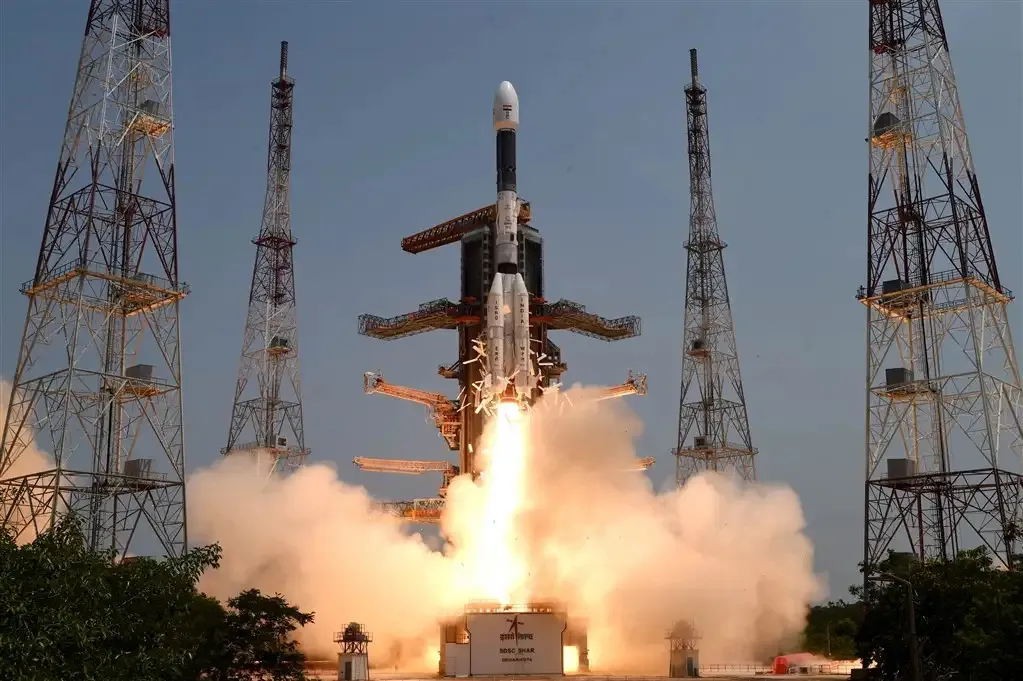
IRNSS-1L (NVS-03) was a GSLV Mk II mission operated by Indian Space Research Organization that lifted off from Satish Dhawan Space Centre Second Launch Pad, Satish Dhawan Space Centre, India on October 30, 2026. The flight carried its payload on a navigation mission to Geostationary Transfer Orbit. The launch was a success.

Mission UpdateUpdated November 8, 2026

ISRO’s 30 October 2026 launch of NVS-03 aboard GSLV-F18 reached the intended geosynchronous transfer orbit about 18 minutes after liftoff. The satellite was initially placed into roughly a 170.3 km x 38,080 km orbit, with the apogee attained about 1,000 km higher than intended due to excess performance from the launch vehicle.

The first orbit manoeuvre, a LAM engine burn of 2,174.8 seconds, was completed on 31 October 2026, yielding an estimated orbit of 5,477.6 km x 37,833.4 km.