


Soyuz 2.1b/Fregat | Glonass-M (Kosmos 2478)
Glonass-M, also known as Uragan-M, are the second generation of Uragan satellite design used for GLONASS satellite navigation system. GLONASS is a Russian space-based navigation system comparable to the similar GPS and Galileo systems. This generation improves on accuracy, power consumption and design life. Each satellite weighs 1415 kg, is equipped with 12 L-band antennas, and has an operational lifetime of 7 years.
Soyuz-2, GRAU index 14A14, is the collective designation for the 21st-century version of the Russian Soyuz rocket. In its basic form, it is a three-stage carrier rocket for placing payloads into low Earth orbit. The first-stage boosters and two core stages feature uprated engines with improved injection systems, compared to the previous versions of the Soyuz. Digital flight control and telemetry systems allow the rocket to be launched from a fixed launch platform, whereas the launch platforms for earlier Soyuz rockets had to be rotated as the rocket could not perform a roll to change its heading in flight. The Soyuz 2.1b represents the latest development stage of the proven rocket. It uses the new RD-0124 engines in the first three stages, coupled with an improved injection system that significantly boosts the performance of the Soyuz. Furthermore, she wears a new, digital startup control system. This will allow the Soyuz 2.1b to carry around 1.2 tonnes more payload into low earth orbit compared to its predecessor.
When is the Soyuz 2.1b/Fregat | Glonass-M (Kosmos 2478) launch?
What rocket is being used for Glonass-M (Kosmos 2478)?
Where is the Soyuz 2.1b/Fregat | Glonass-M (Kosmos 2478) launching from?
What orbit is Glonass-M (Kosmos 2478) going to?
Who is launching Glonass-M (Kosmos 2478)?
Can I watch the Soyuz 2.1b/Fregat | Glonass-M (Kosmos 2478) launch live?

Mission Profile
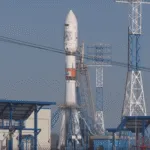
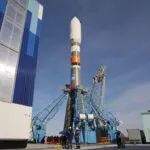
Glonass-M (Kosmos 2478) was a Soyuz 2.1b/Fregat mission operated by Russian Space Forces that lifted off from 43/4 (43R), Plesetsk Cosmodrome, Russian Federation on November 28, 2011. The flight carried its payload on a navigation mission to Medium Earth Orbit. It was flown as part of the GLONASS program. The launch was a success.