

Vega-C | CO3D & MicroCarb
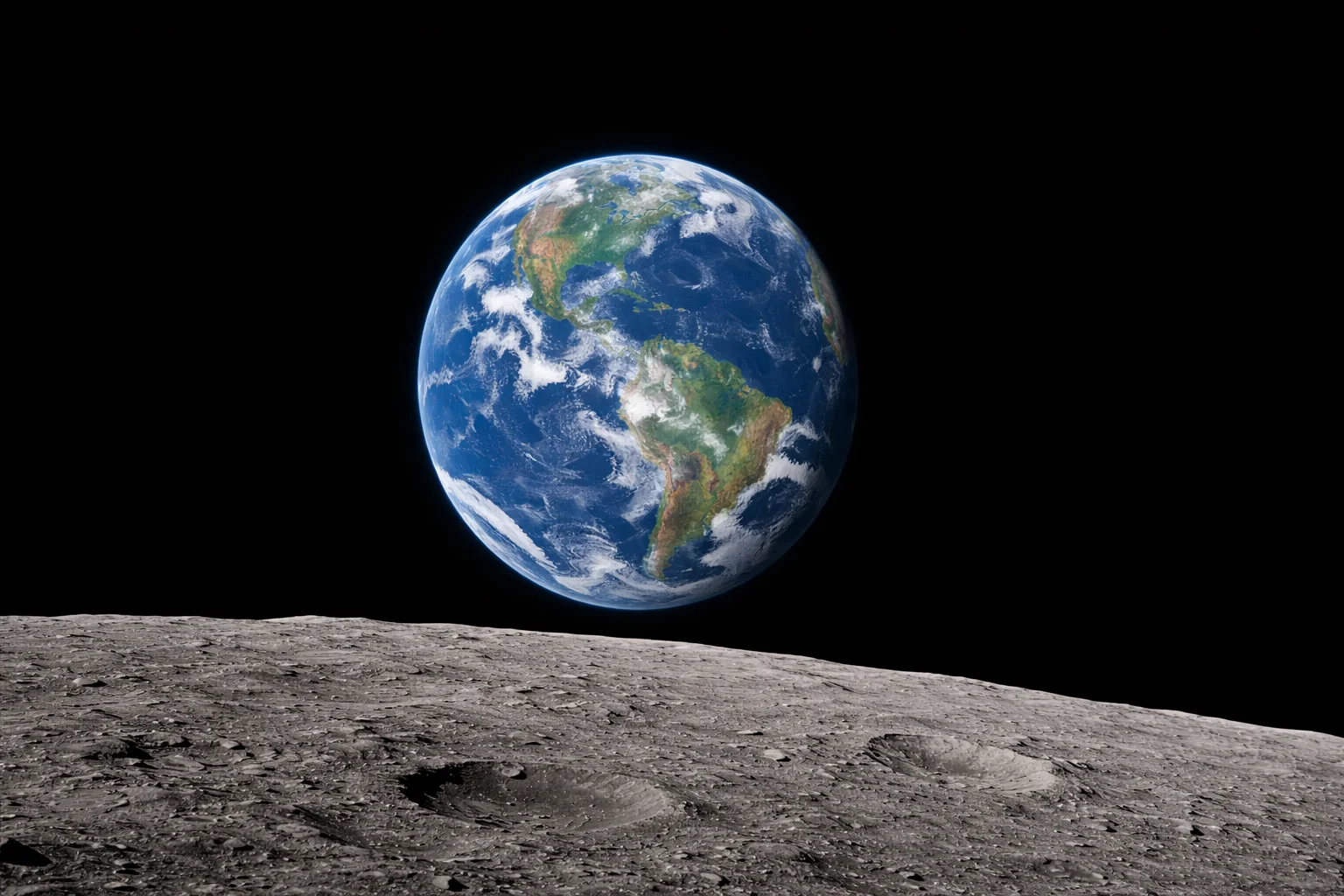
CO3D is a CNES-Airbus Defence & Space constellation of four small satellites designed to map the globe in 3D from low Earth to serve public and private sector needs. Microcarb is a small satellite designed to map sources and sinks of carbon dioxide (CO2)—the most important greenhouse gas — on a global scale.
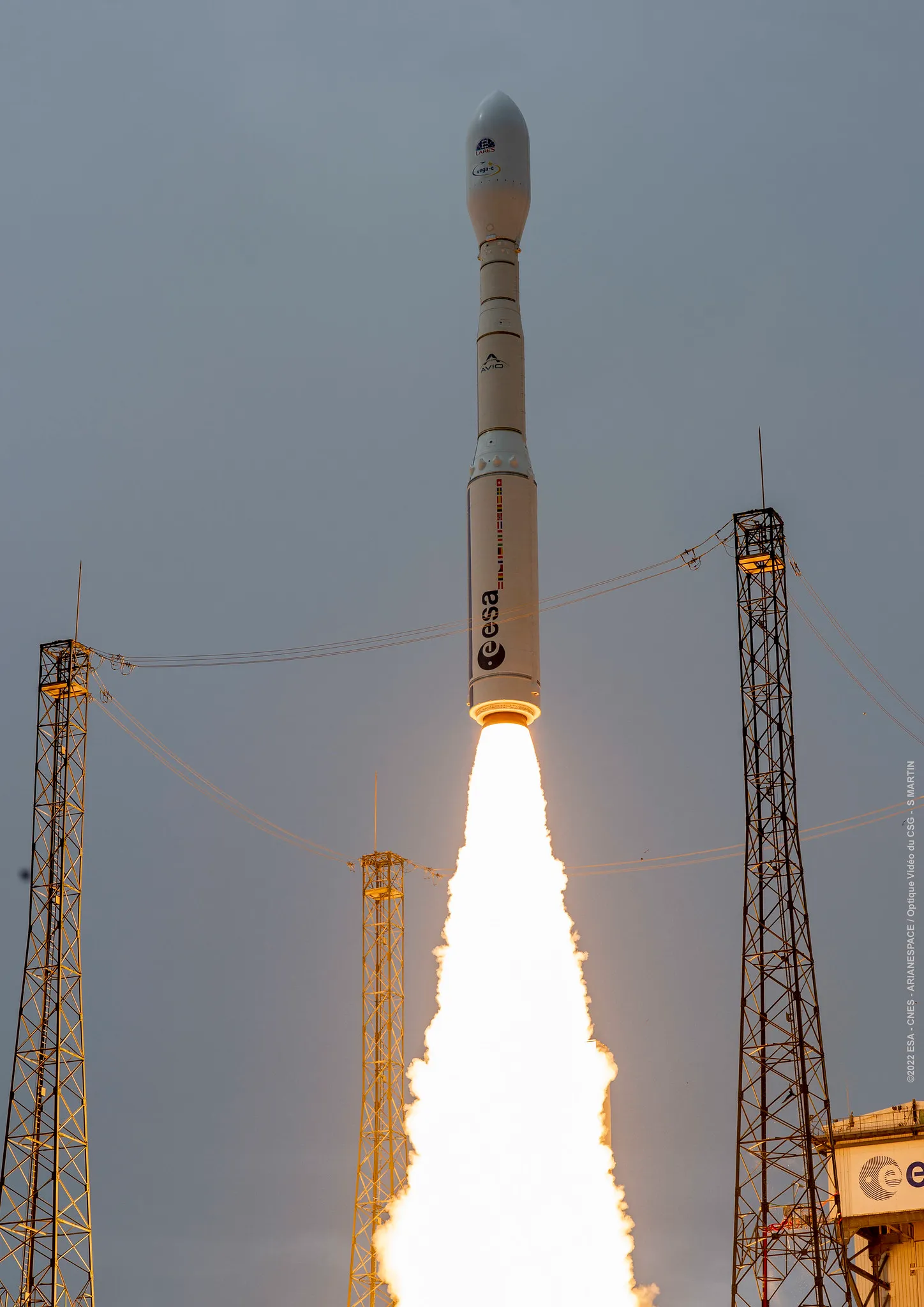
Vega-C is a single-body rocket nearly 35 m high with that weighs 210 tonnes on the launch pad. As with Vega, its main elements are three solid-propellant stages, an upper stage powered by a reignitable liquid-propellant engine and a payload fairing. Vega-C's P120C first stage replaces Vega’s smaller P80 to provide a significant increase in thrust at liftoff. It is also used as boosters (2 or 4) for the Ariane 6 rocket.
When is the Vega-C | CO3D & MicroCarb launch?
What rocket is being used for CO3D & MicroCarb?
Where is the Vega-C | CO3D & MicroCarb launching from?
What orbit is CO3D & MicroCarb going to?
Who is launching CO3D & MicroCarb?
Can I watch the Vega-C | CO3D & MicroCarb launch live?


Mission Profile
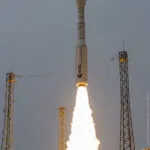
CO3D & MicroCarb was a Vega-C mission operated by Arianespace that lifted off from Ariane Launch Area 1 (ELV), Guiana Space Centre, French Guiana on July 26, 2025. The flight carried its payload on a earth science mission to Sun-Synchronous Orbit. The launch was a success.
The stored SUCCESS status is confirmed. Avio reported the AVUM+ upper stage performed four ignitions to deploy the four CO3D satellites at about 495 km and MicroCarb at about 650 km, with the mission concluding after 1 hour and 51 minutes via a de-orbit burn.
Since launch, MicroCarb returned its first Earth observations on 28 August 2025 over Amazonia, confirming its instruments were working as planned. CNES describes MicroCarb as a demonstrator mission intended to help pave the way for the future CO2M mission, with calibrated CO2 measurements to be made openly available via the AERIS platform around mid-2026.
For the CO3D constellation, CNES lists early 2026 as the start of the demonstration phase, following the July 2025 launch and start of in-orbit commissioning.