

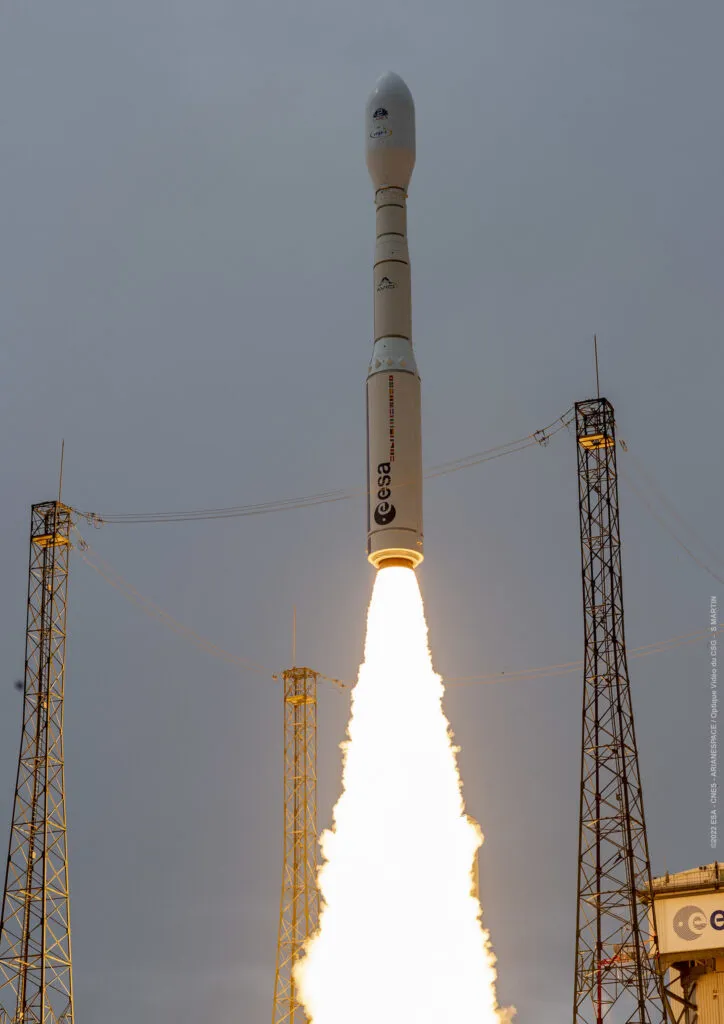
Vega-C | Sentinel-3C & FLEX
Sentinel-3C is the third satellite in the Sentinel-3 constellation, which provides high-accuracy optical, radar and altimetry data for marine and land services.
The Fluorescence Explorer (FLEX) satellite is a part of ESA’s Earth Explorer program. The satellite will map vegetation fluorescence to quantify photosynthetic activity.
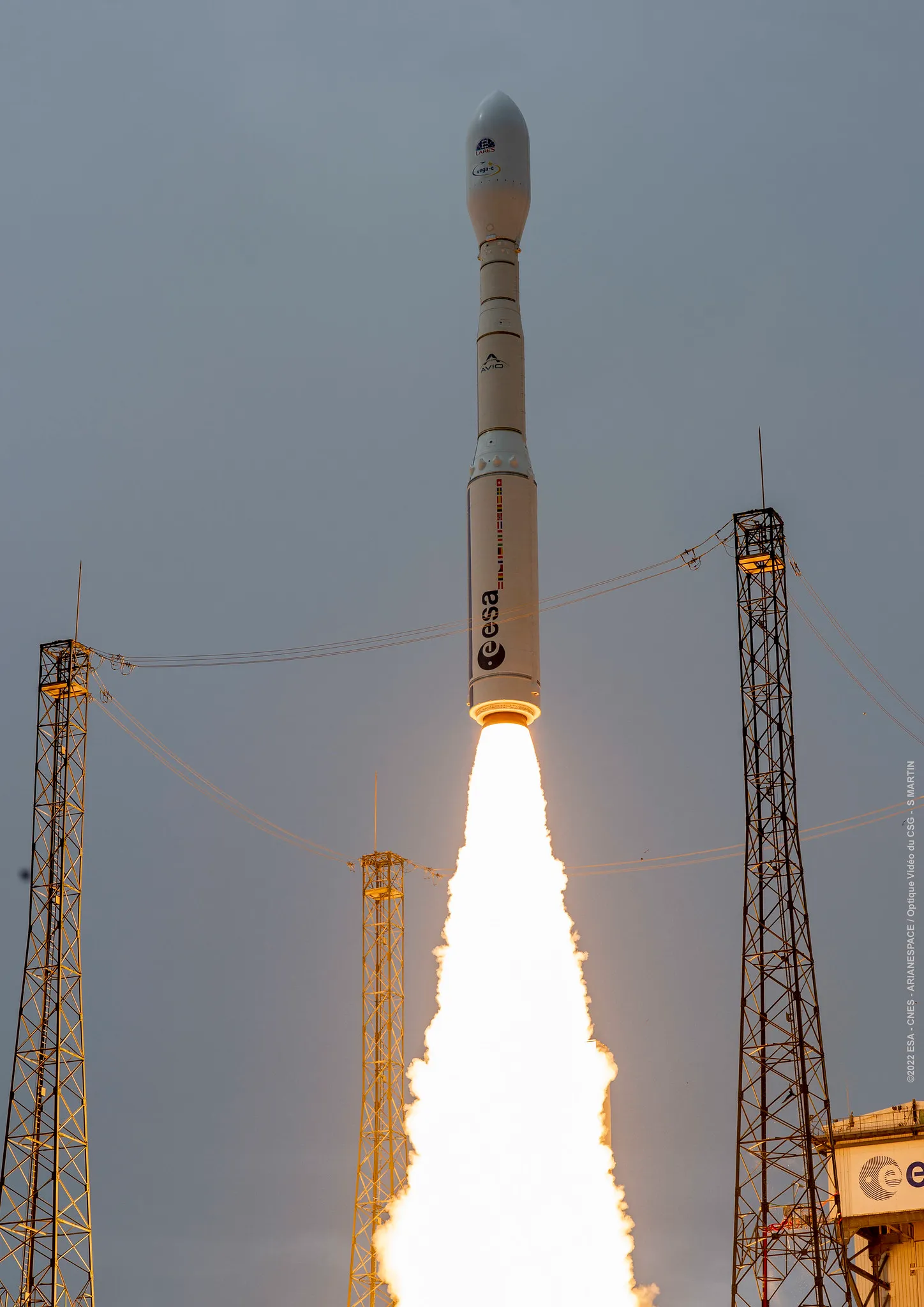
Vega-C is a single-body rocket nearly 35 m high with that weighs 210 tonnes on the launch pad. As with Vega, its main elements are three solid-propellant stages, an upper stage powered by a reignitable liquid-propellant engine and a payload fairing. Vega-C's P120C first stage replaces Vega’s smaller P80 to provide a significant increase in thrust at liftoff. It is also used as boosters (2 or 4) for the Ariane 6 rocket.
When is the Vega-C | Sentinel-3C & FLEX launch?
What rocket is being used for Sentinel-3C & FLEX?
Where is the Vega-C | Sentinel-3C & FLEX launching from?
What orbit is Sentinel-3C & FLEX going to?
Who is launching Sentinel-3C & FLEX?
Can I watch the Vega-C | Sentinel-3C & FLEX launch live?

Mission Profile
Sentinel-3C & FLEX was a Vega-C mission operated by Avio S.p.A that lifted off from Ariane Launch Area 1 (ELV), Guiana Space Centre, French Guiana on September 15, 2026. The flight carried its payload on a earth science mission to Sun-Synchronous Orbit. It was flown as part of the Copernicus program. The launch was a success.
The mission launched successfully on 15 September 2026 aboard Vega-C flight VV30 from Europe’s Spaceport in French Guiana, confirming the recorded SUCCESS status. This was Vega-C’s first dual launch, using a Vespa secondary payload adapter, with Sentinel-3C on top and FLEX inside the adapter. Sentinel-3C was injected into orbit first, followed by FLEX approximately one hour later. Both satellites were deployed as planned.
FLEX completed its Launch and Early Orbit Phase (LEOP) on 18 September 2026. About two weeks after launch, Sentinel-3C returned its first images and measurements, including views of Italy, the Arctic and the Caribbean plus Greenland ice-sheet and sea-surface-height measurements. The first image was captured by the ocean and land colour instrument on 30 September 2026.