

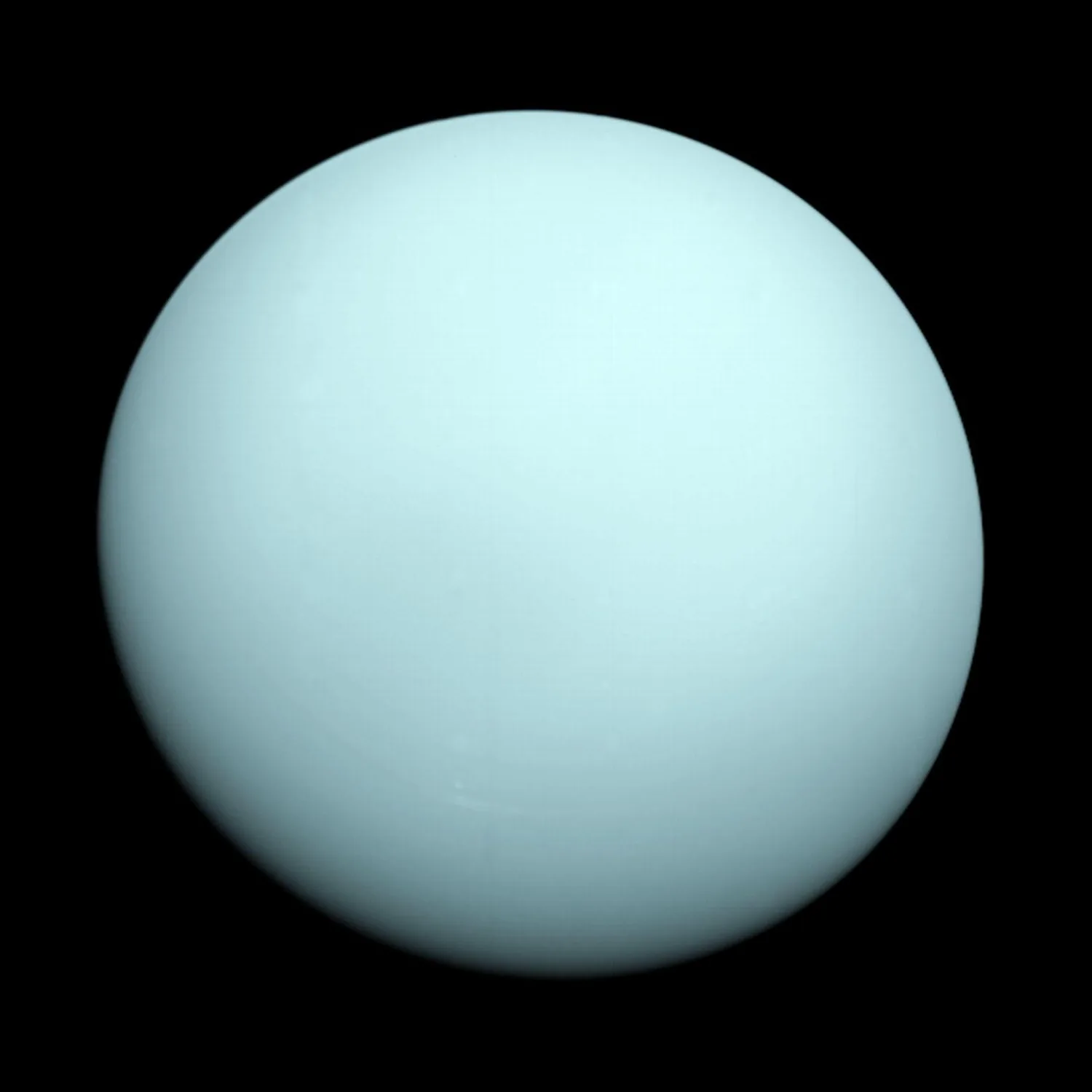
About Uranus
Uranus is the seventh planet from the Sun and the first to be discovered with a telescope — William Herschel spotted it on 13 March 1781. It is classified as an ice giant, distinct from Jupiter and Saturn: its interior is dominated by a hot, dense fluid of “icy” materials — water, methane, and ammonia — above a small rocky core.
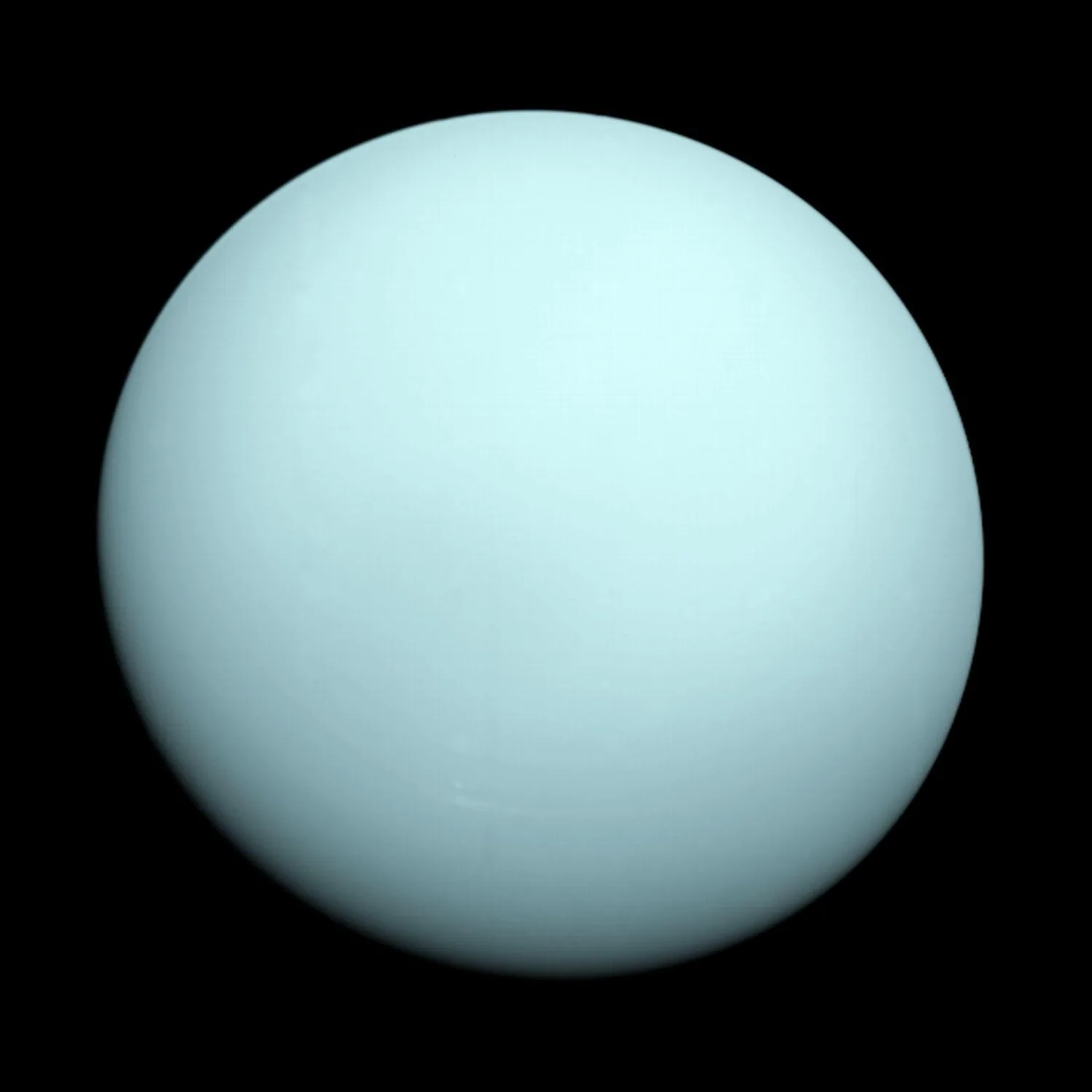
Uranus rotates on its side, with an axial tilt of 97.77°. During the 84-Earth-year Uranian orbit, each pole spends 42 years in continuous sunlight followed by 42 years in darkness, producing the most extreme seasons of any planet. Its pale blue-green color is produced by methane in its atmosphere absorbing red wavelengths of sunlight.
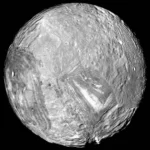
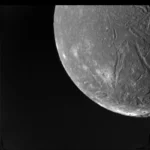
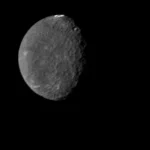
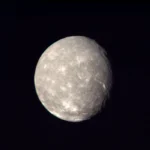
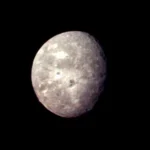
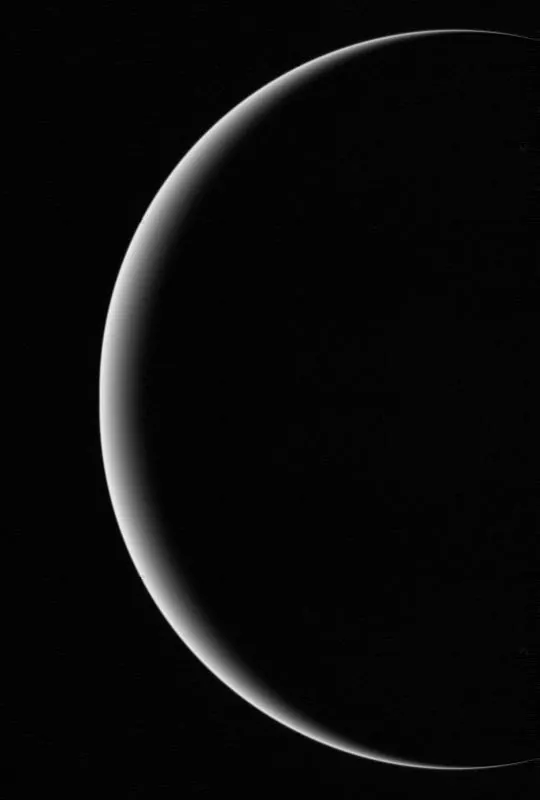
Uranus has 13 known rings — dark, narrow, and composed of dust to meter-sized particles — and 28 known moons, all named after characters from Shakespeare and Alexander Pope. The largest five are Miranda, Ariel, Umbriel, Titania and Oberon. Voyager 2’s January 1986 flyby remains the only close-up study of the Uranian system, and the 2023 NASA Planetary Science Decadal Survey identified a Uranus orbiter and probe as its highest-priority flagship mission of the 2030s.
Physical Properties
Atmosphere Composition
- Hydrogen (Hu2082) 82.5%
- Helium 15.2%
- Methane (CHu2084) 2.3%
- Hydrogen deuteride, Ammonia, Water trace
Orbit
Ring System
13 known rings — narrow and dark, composed of micrometer-sized dust to meter-sized boulders. Discovered in 1977 via stellar occultation.
Notable Moons
Missions to Uranus
1 spacecraft tracked on Space Launch Live.
Gallery
Hand-picked mission imagery of Uranus sourced from NASA and partner archives. Click any photo for full resolution and source attribution.
Imagery on this page is provided by the original mission teams. Full attribution terms: Image Rights & Credits.
Sources & Further Reading
- NASA — official mission / factsheet page
- NASA JPL — orbital data and imaging
- Wikipedia — extensive cross-referenced article
- NASA Uranus Fact Sheet (NSSDC)
- NASA u2014 Uranus
- Voyager 2 at Uranus
- NASEM Planetary Science Decadal Survey 2023-2032
Numerical values (radius, mass, orbital elements, temperatures) are drawn from NASA NSSDC Planetary Fact Sheets, JPL Horizons, and the JPL Small-Body Database. Last refreshed: 2026-06-08 01:37:01.